

Where the Columbia meets the sky.
A community of pilots and aviation enthusiasts flying out of Trail Regional Airport in British Columbia's West Kootenays. One well-loved Cessna, a clubhouse with the kettle on, and country worth flying over.
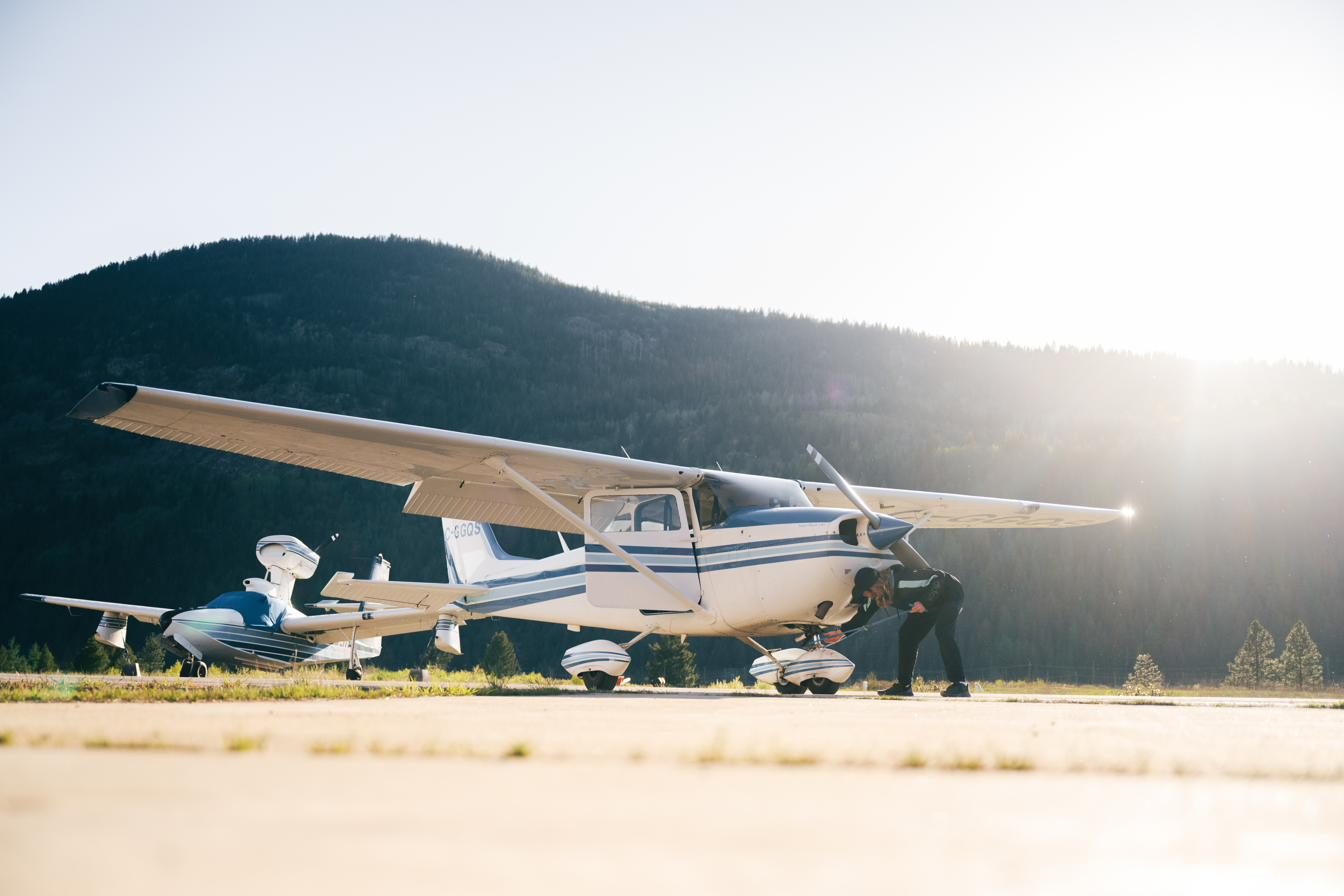
A place to land, a reason to fly.
The Trail Flying Club brings recreational pilots and aviation enthusiasts together at CAD4. We're a non-instructing club — a place to share an aircraft, swap stories, and explore one of the most spectacular corners of British Columbia from the air.
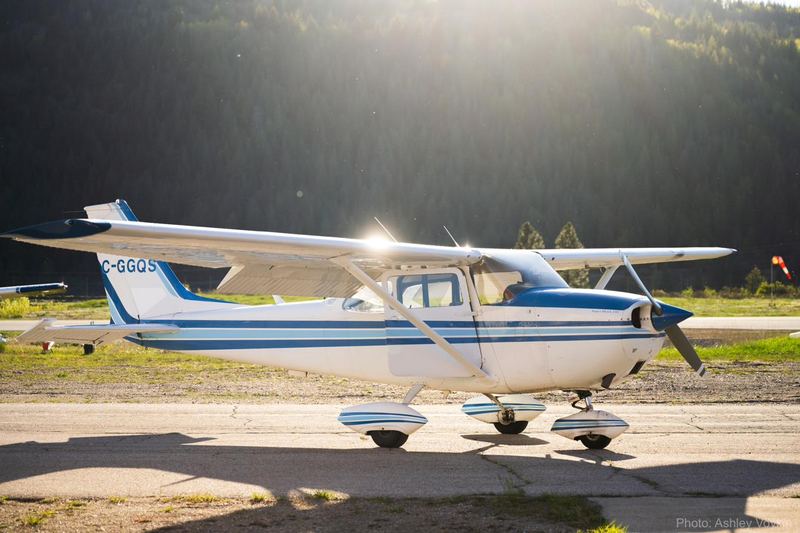
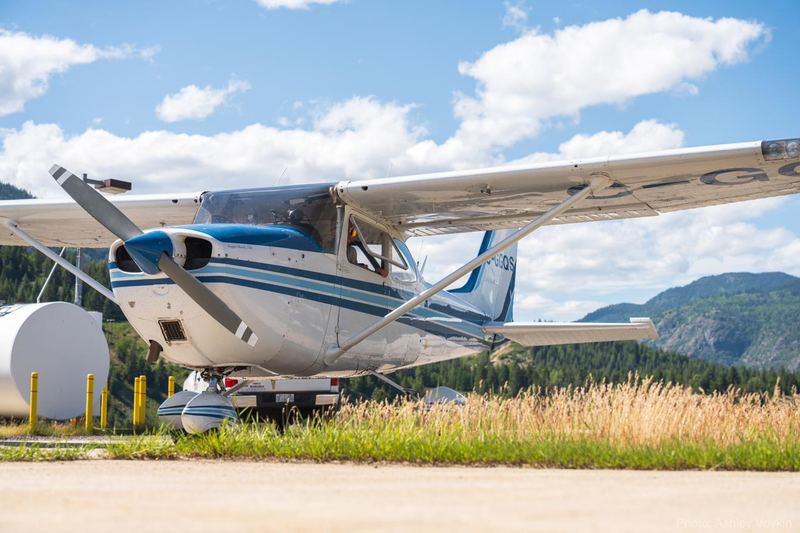
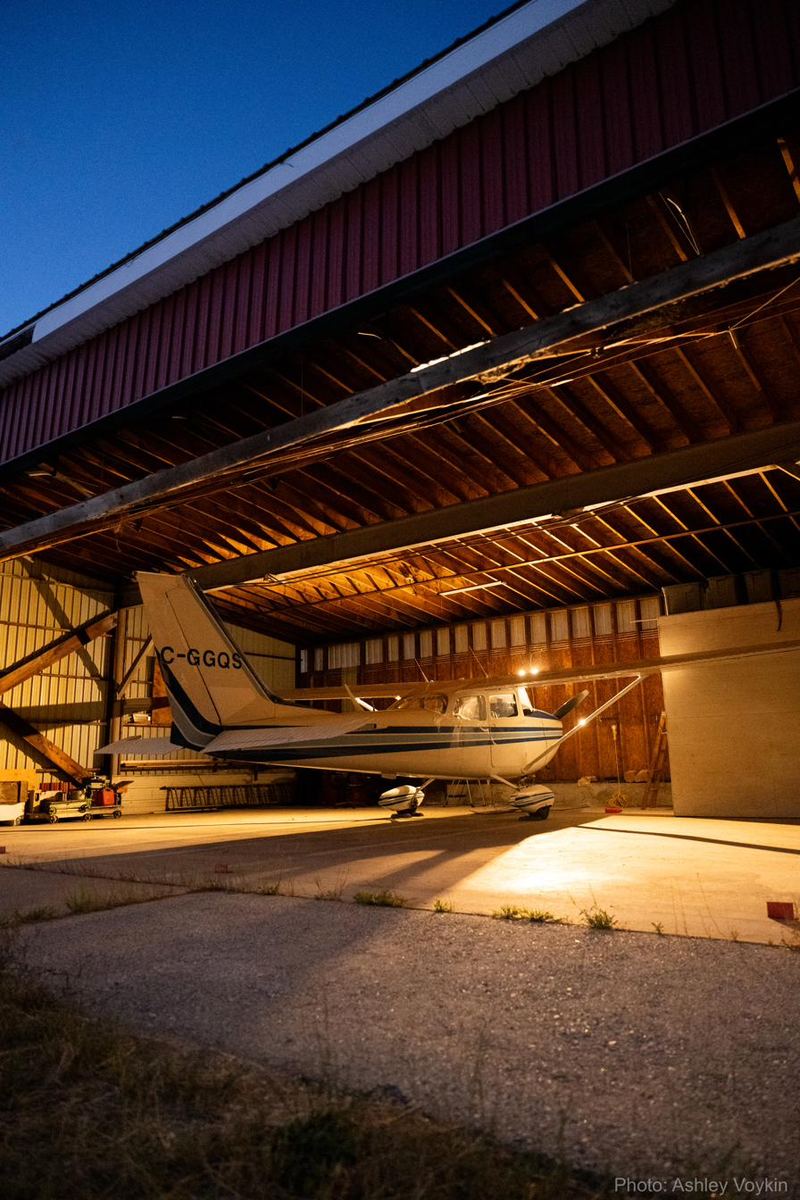
C-GGQS, our 1969 Cessna 172K.
180 horsepower under the cowl, modern avionics on the panel, and over five decades of stories in the airframe. Member-only rates among the most affordable in the BC interior.
A clubhouse with the kettle on.
Monthly meetings, social fly-outs, and a hangar full of people who'd rather be flying. You don't need a licence to be welcome — you just need to be curious.
Kootenay mountain flying at its finest.
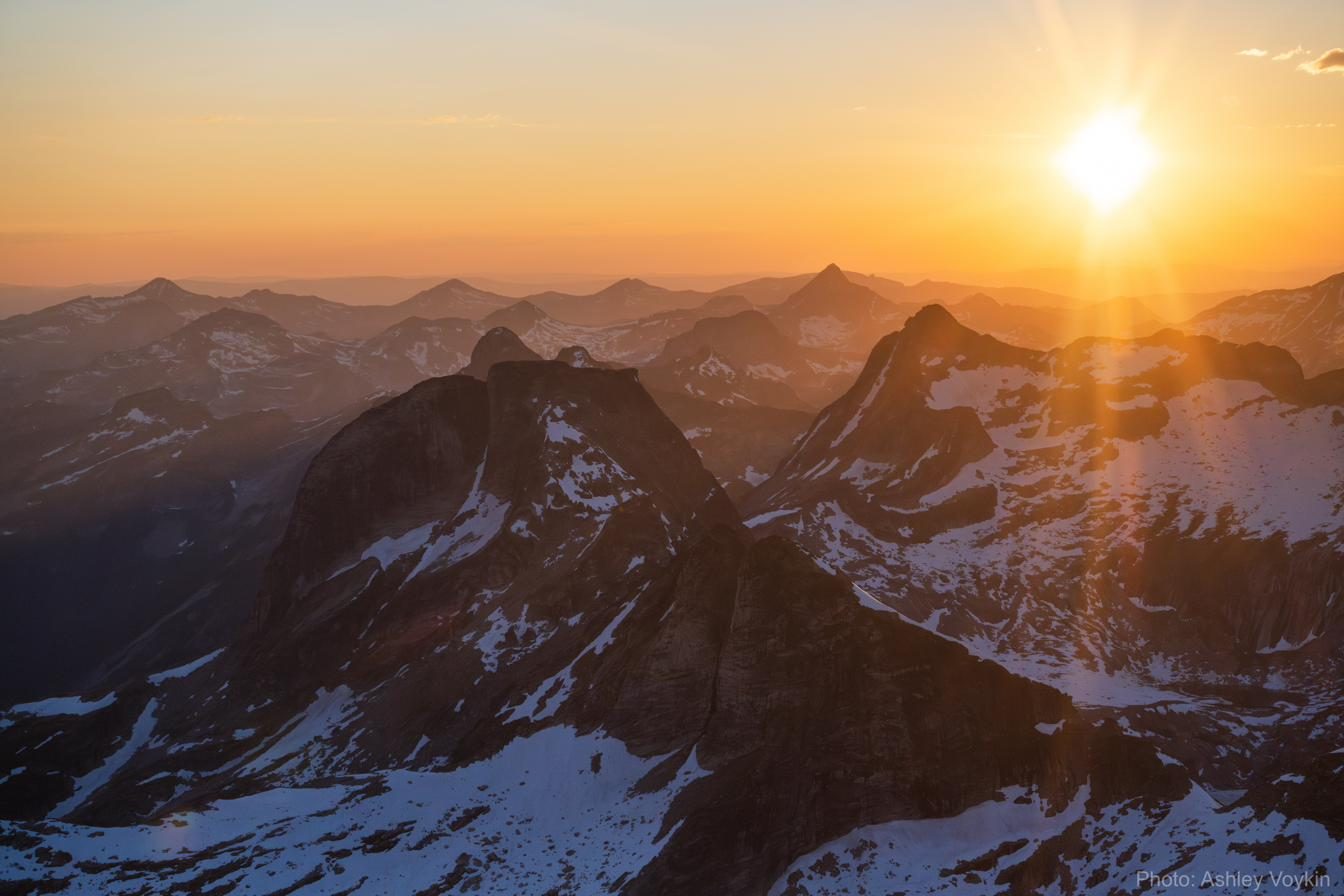
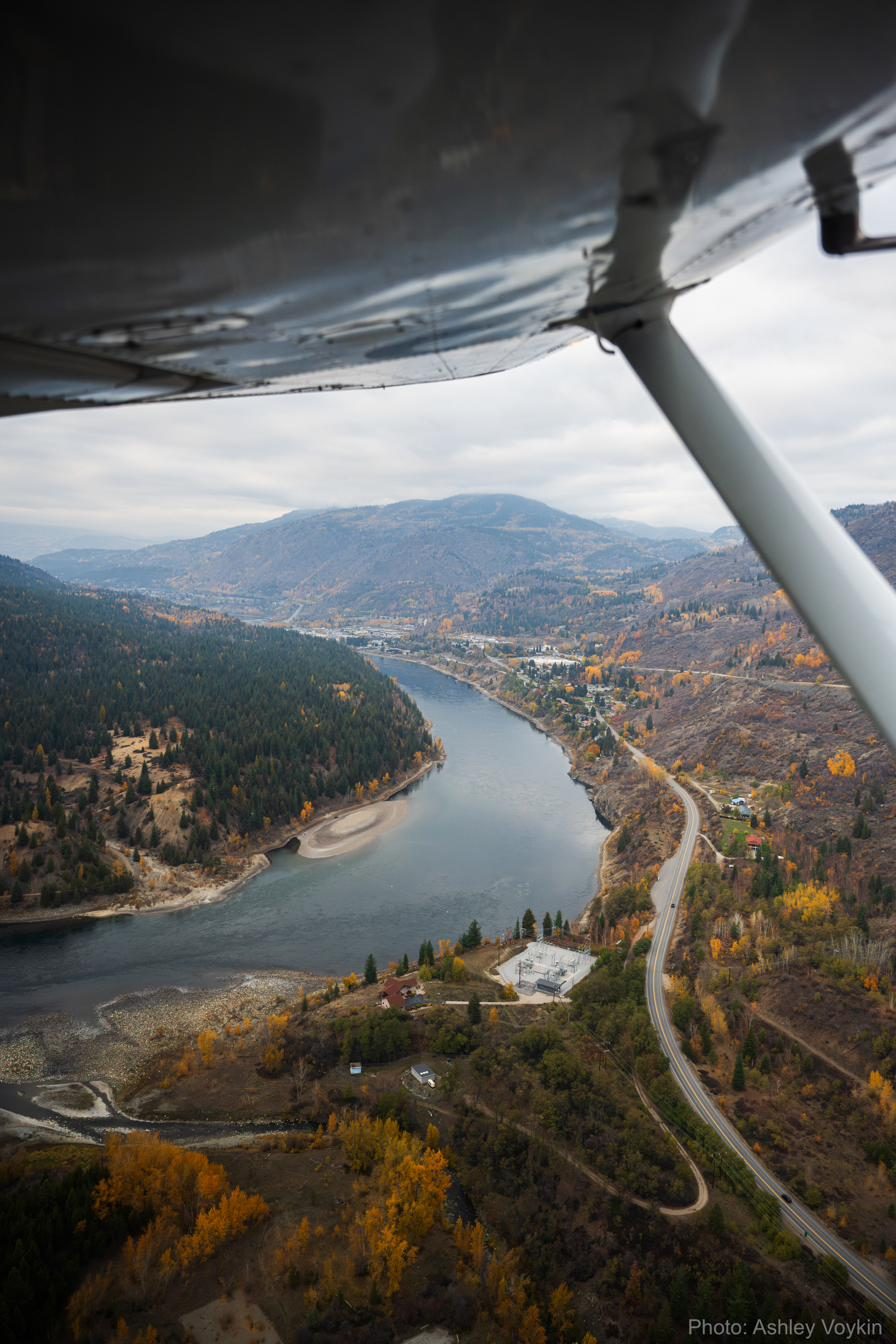
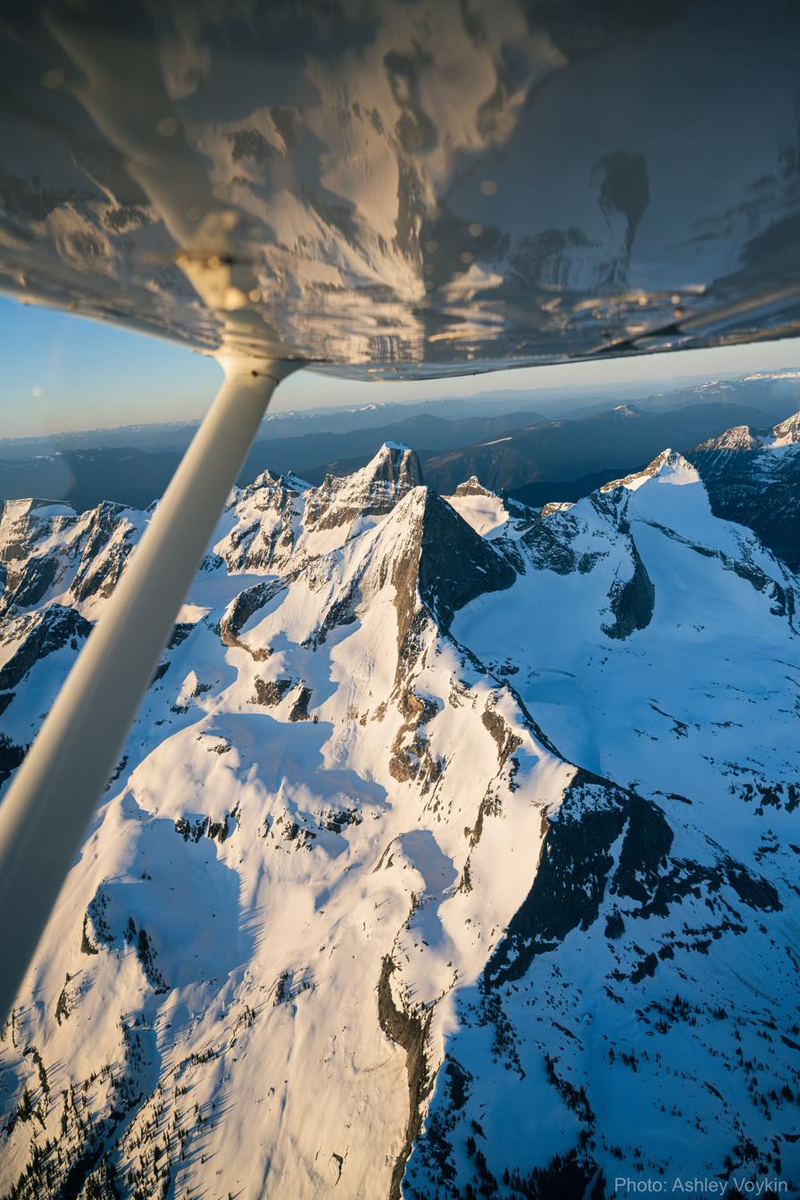
From the Columbia and Pend d'Oreille valleys to the Selkirks, Monashees and Valhallas, the country around Trail is some of the most rewarding general-aviation terrain anywhere in Canada.
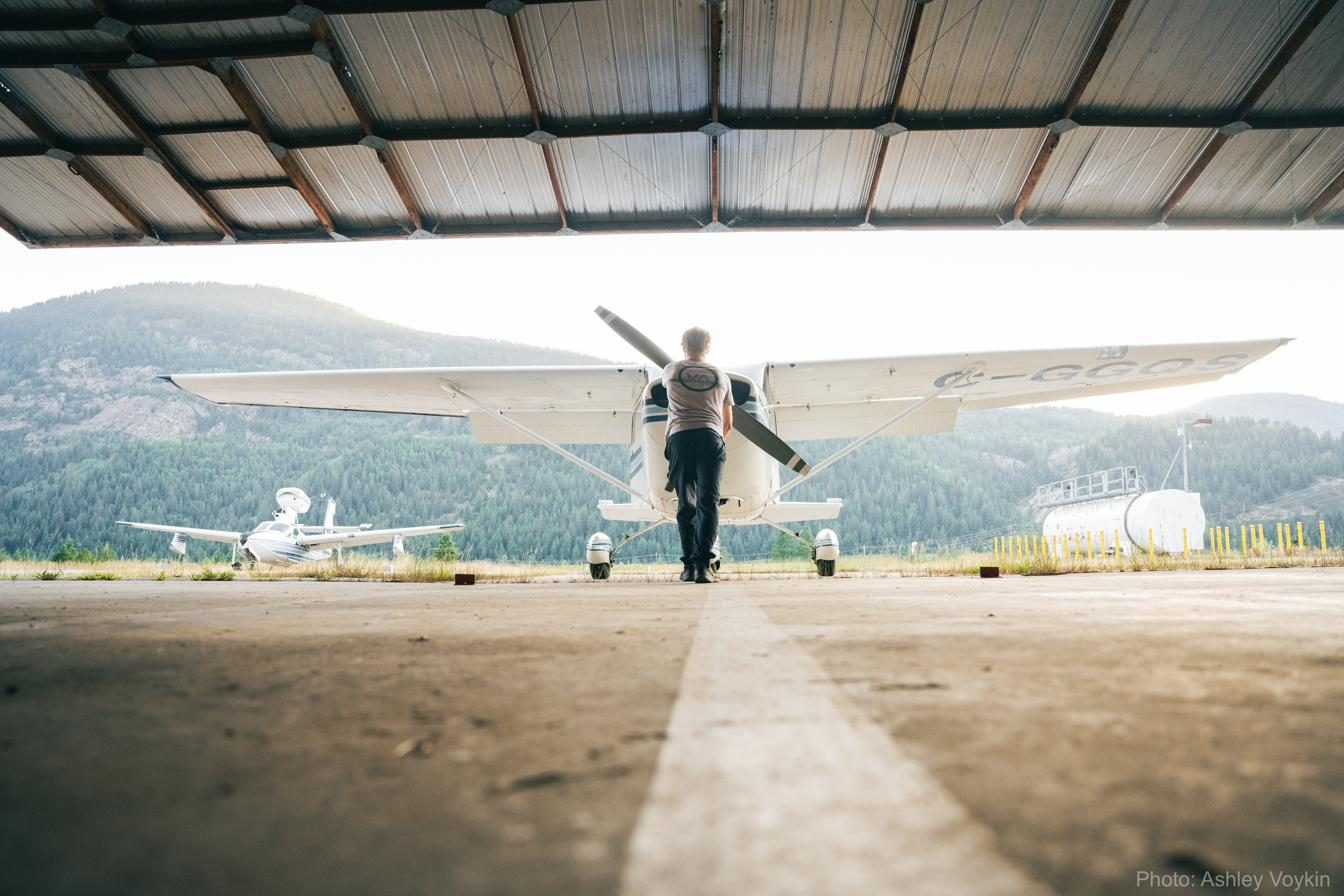
One well-loved Cessna. Plenty of stories.
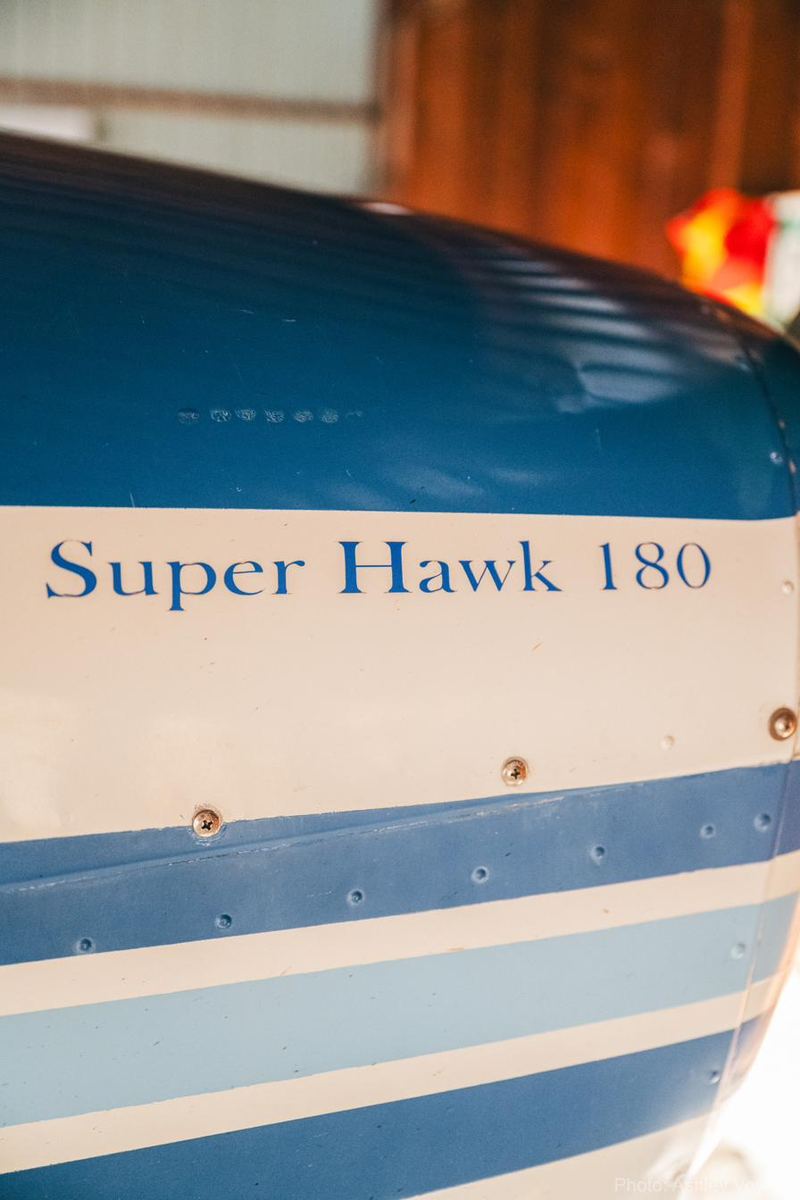
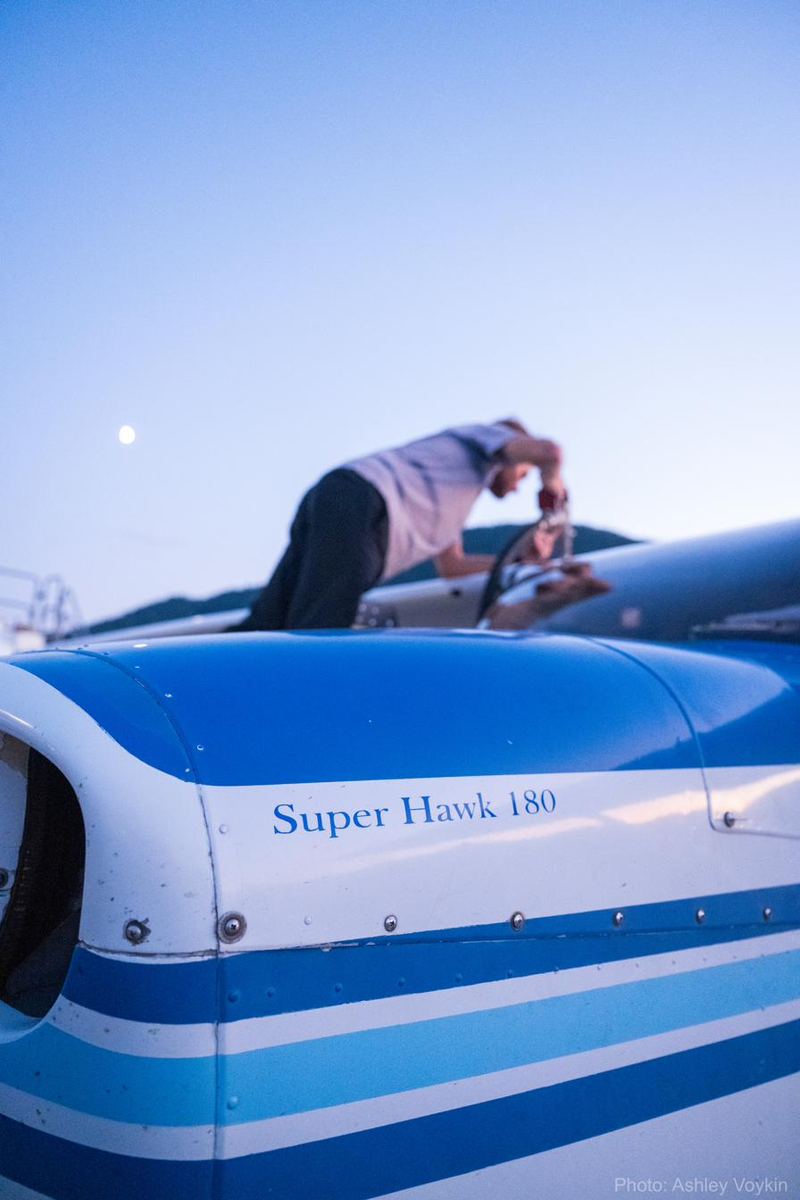
The club owns and maintains C-GGQS — a 1969 Cessna 172K Super Hawk, repowered with the 180-horsepower Lycoming O-360 and refreshed with a modern panel. The perfect aircraft for exploring Kootenay country: rugged, forgiving, and right at home at field elevations from a few hundred feet to four thousand and up.
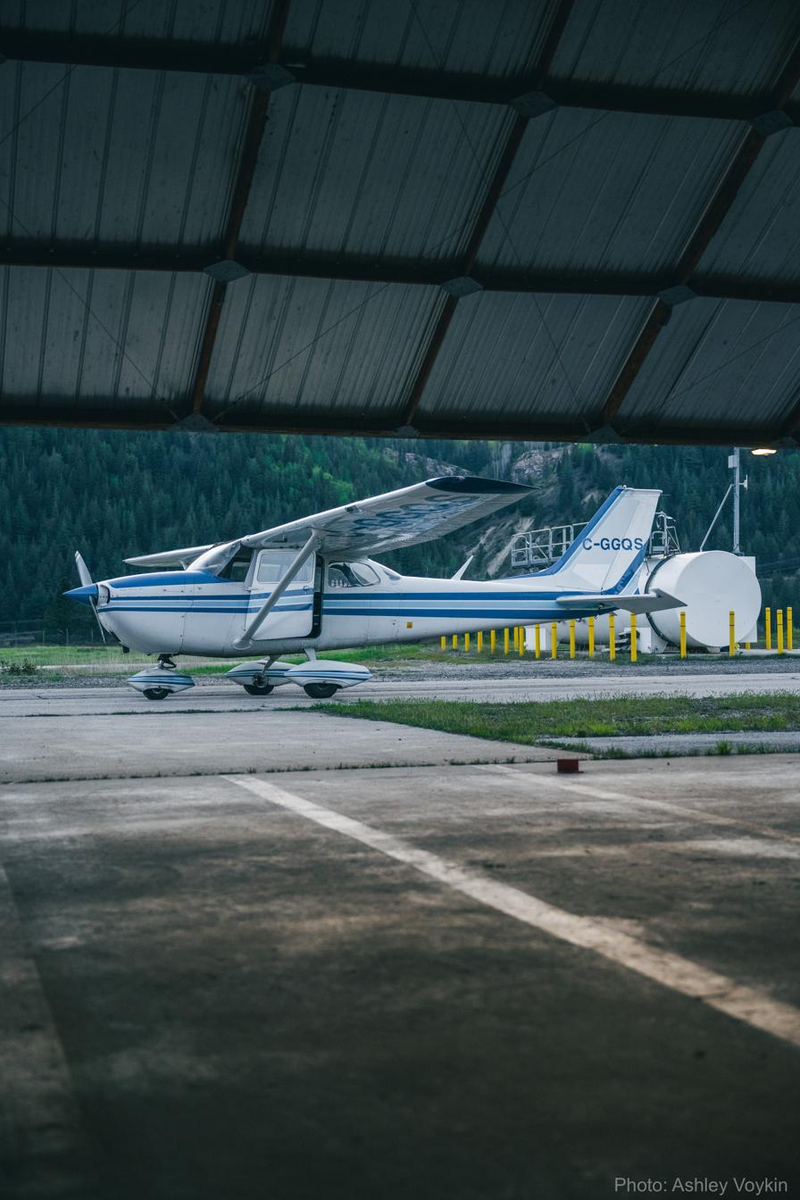
Members in good standing can qualify to fly her. She lives in a hangar at the field, gets flown regularly, and is treated with the care she deserves.
Modern avionics for a vintage airframe.
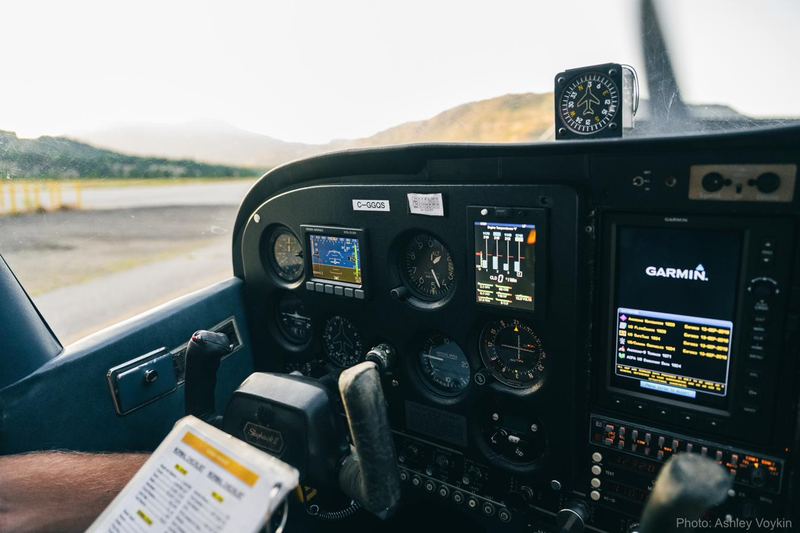
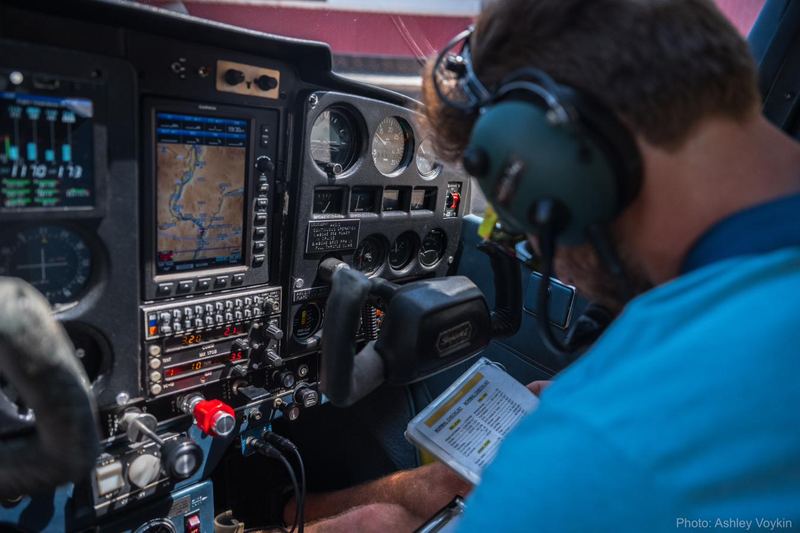
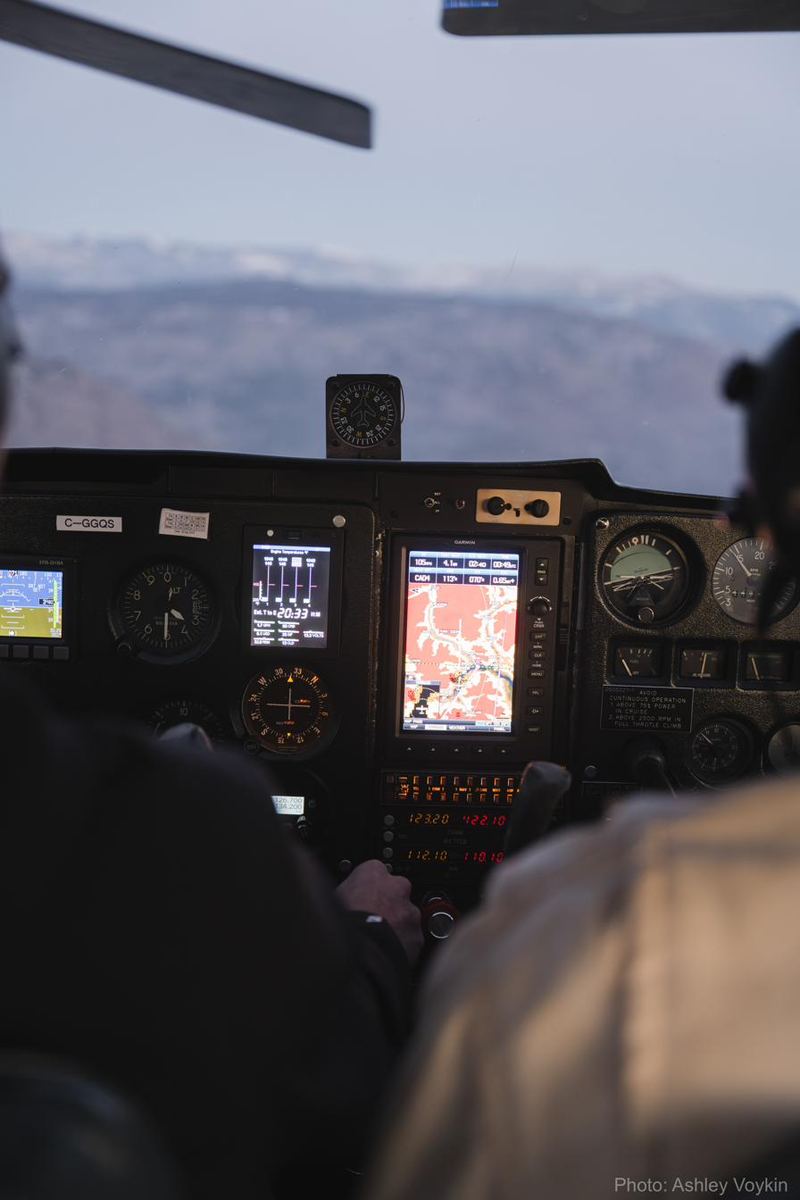
Over the years C-GGQS has been thoughtfully upgraded with the gear that makes mountain VFR safer and easier — a glass primary EFIS, dual radios with 8.33 kHz spacing, GPS, engine monitoring, autopilot, and a 406 MHz ELT.
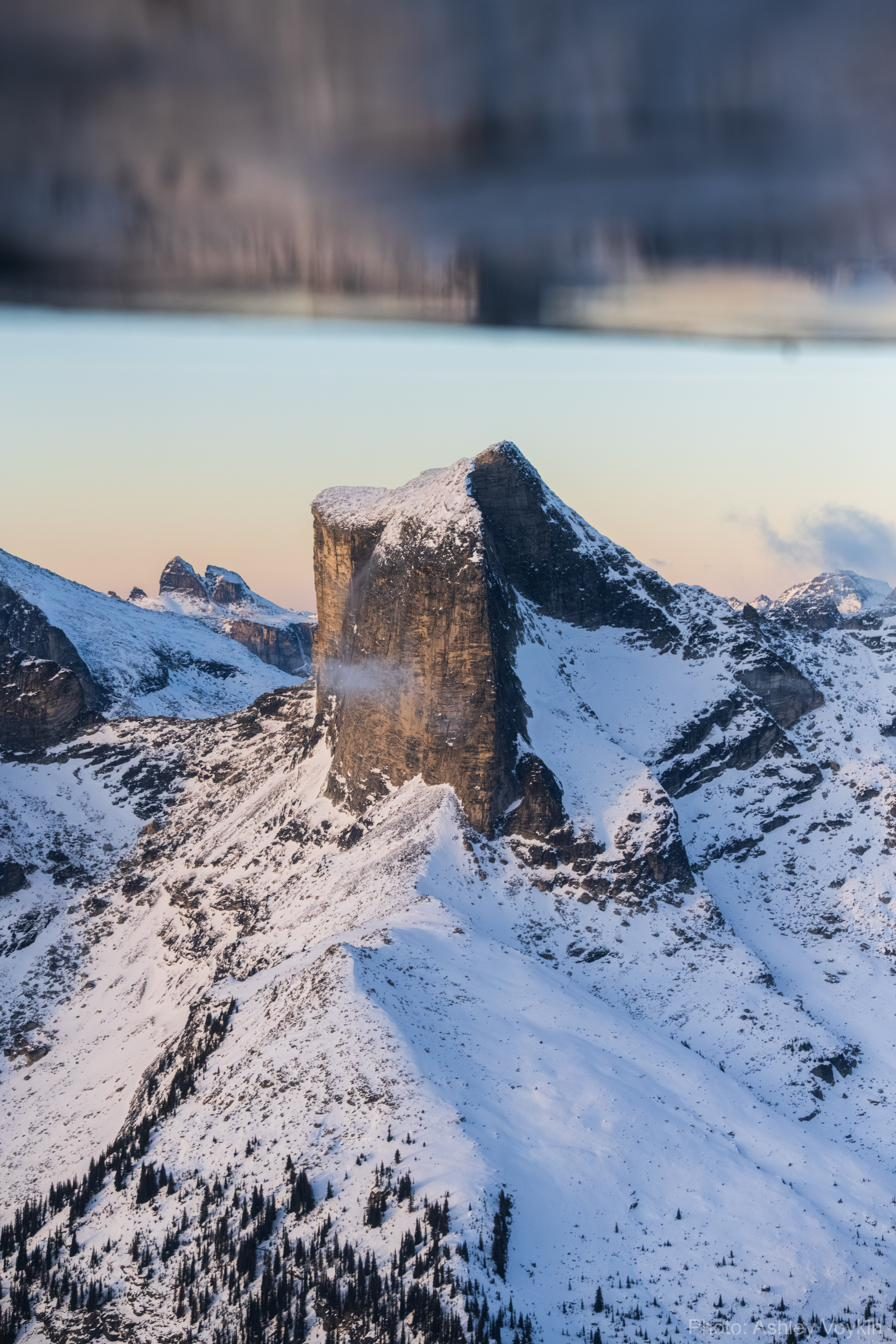
Above the Kootenays.
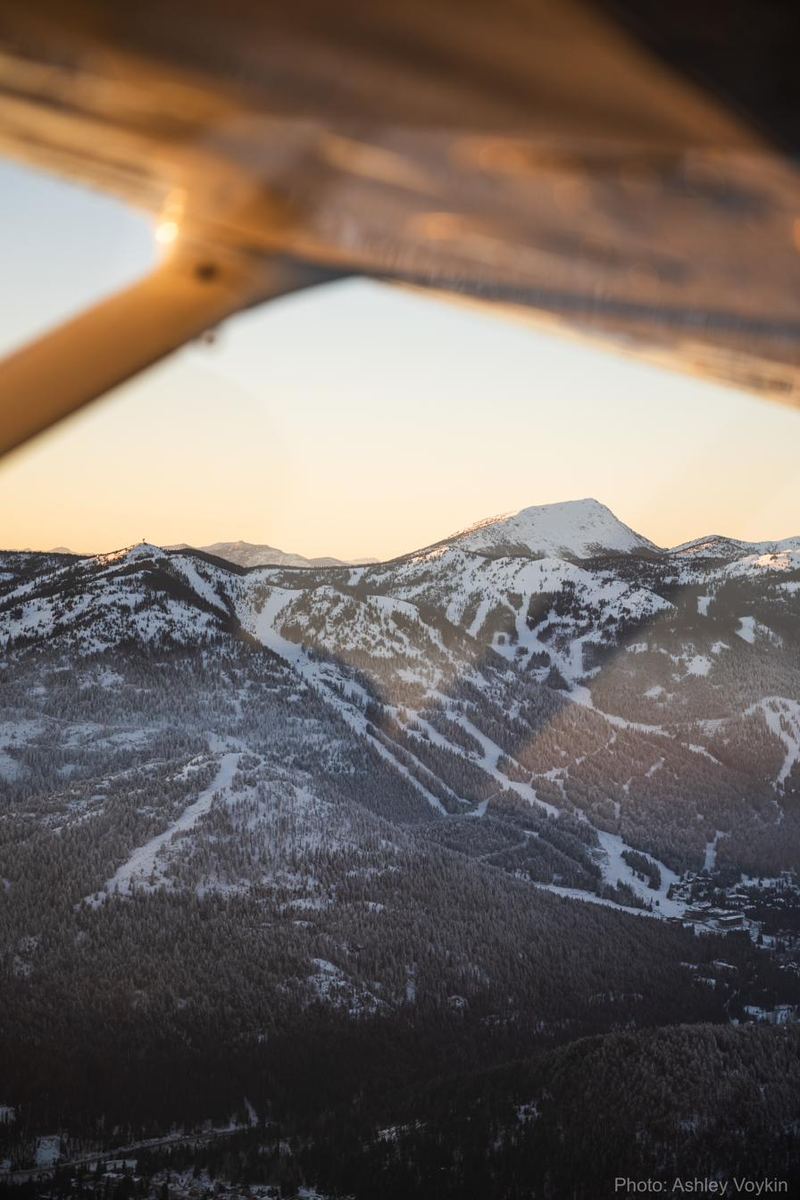
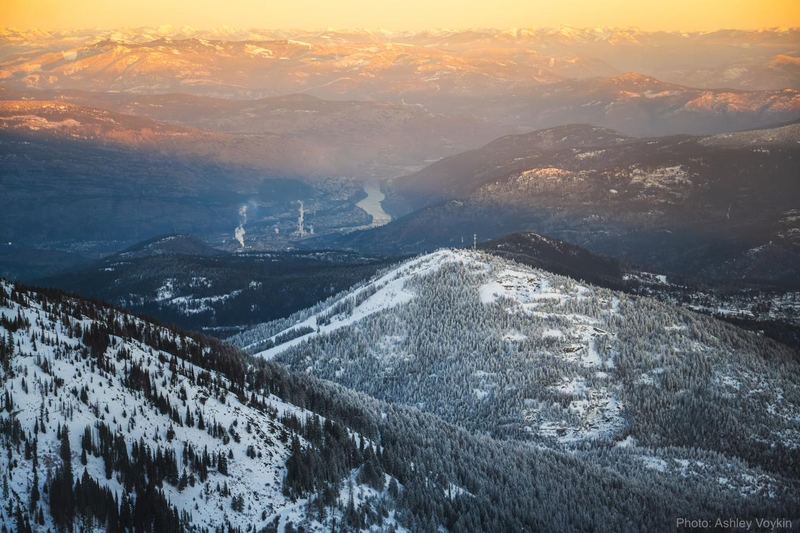
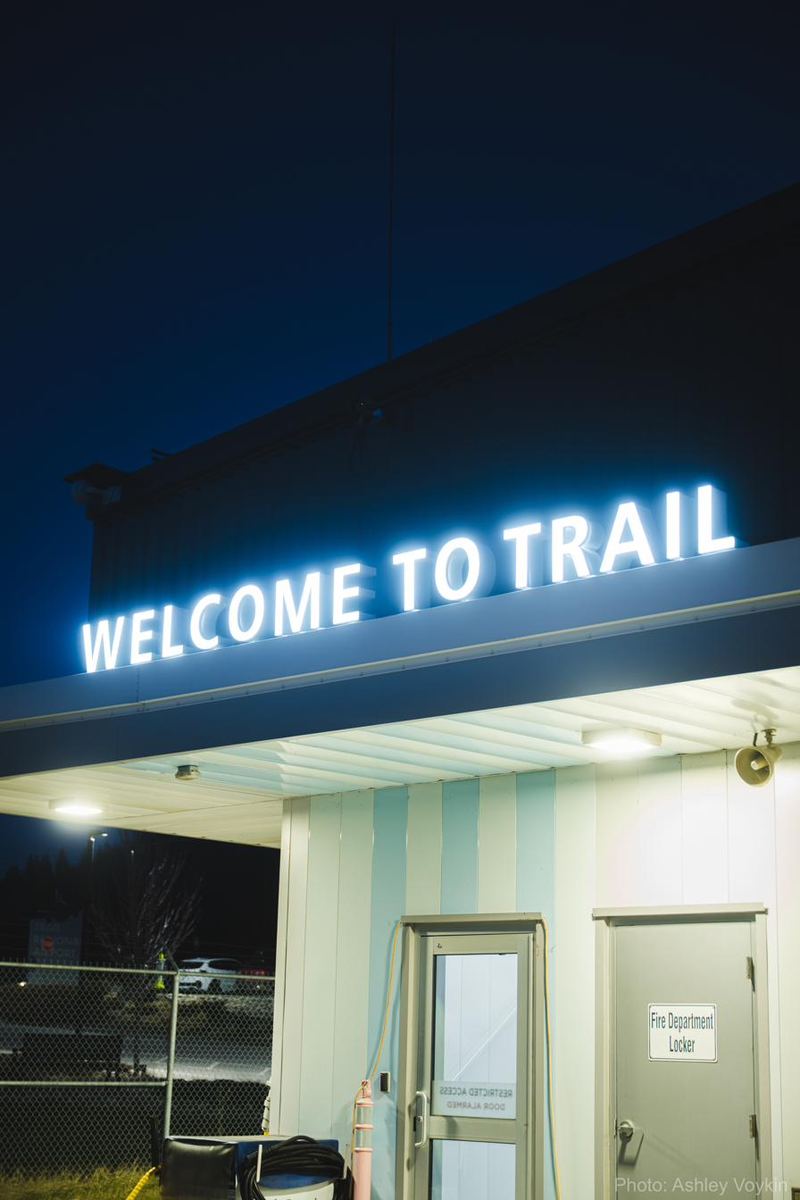
A few moments from C-GGQS, photographed by Ashley Voykin. See the full collection in our Gallery — and follow Ashley's work for more.

Aviation at Trail goes back to the thirties.
Long before our Cessna lived in the hangar, Cominco's Fokkers and de Havillands were taking off from the Columbia River and the airstrip at Columbia Gardens — supplying mining properties across the BC interior and the Canadian North.
The Trail Flying Club is the modern chapter in a story almost a century long.
Read the HeritageComing up at the field.
Monthly meetings, summer fly-ins, and the occasional spontaneous trip down the valley. There's almost always something happening at the clubhouse.
Monthly Club Meeting
Fall Colours Fly-In Breakfast
Annual General Meeting
Three reasons to be a member.
Whether you're a working pilot, a returning aviator, or just someone who's always wanted to know what it's like up there — there's a place for you here.
Access to the aircraft
Once qualified, members rent C-GGQS at some of the most affordable rates in the BC interior.
A real community
Coffee mornings, monthly meetings, summer fly-ins, and a clubhouse open to members.
Local knowledge
Mountain flying tips, weather reads, and the kind of hard-won experience you can't find in a book.
Come fly with us.
Drop by the clubhouse for coffee, come to a meeting, or send us a note. We'd love to meet you.
Membership DetailsA club built by pilots, for pilots.
We're the Trail Flying Club — COPA Flight 213. A non-profit recreational flying club based at Trail Regional Airport (CAD4) in the West Kootenays of British Columbia.
For generations, pilots in the Greater Trail area have gathered at the airport on Highway 22A to share an aircraft, swap stories, and explore some of the finest mountain flying country in North America.
The club owns a hangar, a clubhouse, and C-GGQS — a 1969 Cessna 172K Super Hawk, repowered with a 180-horsepower Lycoming O-360 and updated with a modern avionics suite. We're affiliated with the Canadian Owners and Pilots Association as COPA Flight 213, and we work closely with the City of Trail, which operates the airport.
We are not a flight school. We don't offer instruction or sightseeing flights. We're a community of pilots and aviation enthusiasts who maintain a shared aircraft, meet regularly, and help each other become better, safer aviators. If you're looking to start flight training, we're happy to point you toward our friends at flight schools in Castlegar, Kelowna, and Nelson.
What you'll find here
You don't have to be a pilot to be part of the Trail Flying Club. A good portion of our members come for the camaraderie, the events, and the love of aviation — not the controls. If you've ever looked up and wondered, this is a place for you.
Our monthly meetings run on the second Thursday of every month at 7:30 PM in the clubhouse at the airport. There's usually a guest, a topic, and coffee. Visitors are always welcome.
And if our story interests you — Trail's aviation roots run deep. Read about the Cominco era and the airfield's heritage.
The essentials.
Trail's aviation story, on the page.
The aircraft change. The country doesn't. From the Fokkers and de Havillands of the thirties to the Cessna in our hangar today, Trail has been a flying town for nearly a hundred years.
In the spring of 1931, a Fokker Super Universal on floats — registration CF-AAM — pulled up onto the bank of the Columbia River at Trail. There was a truck waiting, the floats came off, and the wheels went on. That photograph, taken by Doug Burt, is one of the earliest pictures of an aircraft at Trail.
The Fokker belonged to the Aero Department of the Consolidated Mining and Smelting Company of Canada — Cominco — based right here in town. The man who put Cominco in the air was William Munroe Archibald, a Truro-born mining engineer who didn't take the controls of an aircraft for the first time until he was fifty years old. Get there first with the best was his motto. Aircraft, Archibald reckoned, could supply promising mining claims in hours instead of days.
He was right. By 1929, six airmen and six aircraft were operating for Cominco out of Prince Albert, Saskatchewan. A flying school followed in the Kootenay River valley near Creston, with Page MacPhee — Archibald's personal pilot — as one of the instructors. When the students needed water work, the school moved up Kootenay Lake to Kaslo.
Soon after, an airstrip downstream from the Trail smelter — at Columbia Gardens — became the company's regular base of operations. Pontoons came off; wheels went on. The Fokker shared the field with smaller aircraft: a Puss Moth here, a Ryan Brougham there.

In March 1932, a Ryan B-1 Brougham — registration CF-ATA — touched down at Trail and was photographed by Doug Burt. The Brougham was built by Mahoney Aircraft and powered by a Wright Whirlwind J-5, the same engine line that had carried Lindbergh across the Atlantic five years earlier.

Three years later, in July of 1935, Doug Burt was at the field again. This time the aircraft was CF-AVD, a de Havilland DH.84 Dragon II — a twin-engine biplane built in 1934 — with three Cominco airmen standing in front of it: Ben Harrop, Ham Currie, and Page MacPhee. The Dragon would go on to fly for de Havilland Aircraft of Canada, Quebec Airways, Canadian Airways and Canadian Pacific Air Lines before stalling on takeoff at Baie Comeau, Quebec in 1944.


Through footless halls of air.
The August 1959 issue of Cominco Magazine carried a long retrospective on the company's Aero Department, headlined "Cominco Pilots Made Aviation History." By then the heyday had passed — Canadian Pacific Airlines had taken over most of the freighting north — but the article gathered the names: Jewitt, MacPhee, Dewar, Gill, Harrop, Somerville, Walton, Bishop, Niven, Currie. Six airmen and six aircraft in 1929 had become, by 1941, a department logging more than 33,000 flying hours and crossing three million miles of Canadian wilderness.
What they did was not glamorous, Bill Jewitt insisted. The planes carried freight, prospectors, mail, and once a single bottle of Worcestershire sauce that the crew shared with their dinner. But what they built — the routes, the relationships, the conviction that a small aircraft could open up a continent — is part of what the modern Trail Flying Club inherits.
"To non-fliers, what we were doing may have seemed glamorous. But don't forget our main interest lay on the ground, or under it. Planes were simply transportation."— Bill Jewitt, V.P. Mines, Cominco · 1959
The flight Trail never forgot.
Curly Somerville, the Old Trail Bridge, and a moment of inches.
Dad said he could see the whites of the men's eyes staring with mouths open in fear.
For decades, the story floated around Trail somewhere between history and folklore: someone, sometime, had flown an airplane under the Old Trail Bridge. Not over it. Under it.
In May 2026, the Trail Times published the answer. The story was true, told through the memories of Sheri Somerville Street, daughter of Trail-born aviator Ian "Curly" Somerville — a Cominco mechanic who learned to fly under Bill Jewitt and went on to fly captured German aircraft back to England after the war.
The incident happened in the late 1930s. Curly and another pilot were taking off from the Columbia River in a heavily-loaded de Havilland DH-60 Moth on floats, bound for Northern Ontario with fuel. A downwind takeoff. An overloaded biplane that wouldn't climb. Cominco workers crossing the bridge in shift change. And the steel of the span coming up fast.
With seconds to act, Curly grabbed the dual controls and pushed the aircraft down — committing to flying beneath the bridge rather than trying to clear it. The Moth passed between the second and third abutments.
They climbed away in silence. Two months later, when they returned to Trail, the Cominco bosses gave them "Hail Columbia" — a serious dressing-down — for what had looked, from the bridge, like reckless stunt flying. But it had never been a stunt. It was a split-second decision made to avoid disaster.
Curly Somerville flew for Cominco for decades — mapping northern regions, supplying remote mining operations, serving as a wartime flying instructor, test pilot and squadron leader. When he retired in 1973 as a zinc plant supervisor, his coworkers built him a Cominco-yellow wooden biplane in the carpenter shop and "flew" him into his retirement party. He stayed connected to the city he loved for more than eighty years.
Of all the things he did in the air, the bridge is the one that followed him.
From then to now
The Aero Department closed quietly after the war. Chartered services and the airlines took over the long freighting runs. But the airfield at Columbia Gardens — what we now call Trail Regional Airport — kept flying. Recreational pilots, private operators, and eventually a club: COPA Flight 213, the Trail Flying Club.
The aircraft change. The country doesn't. If you stand on the apron at CAD4 on a clear day and look north toward the Selkirks, or south down the Columbia toward the border, you're seeing what every pilot who ever flew from here has seen. That's worth being part of.
Historical photographs courtesy of the collections of Doug Burt and Art Gill. Historical context drawn from "Through Footless Halls," Cominco Magazine, August 1959. Curly Somerville's bridge story as reported by Sheri Regnier in the Trail Times ("Trail Blazers: The flight Trail never forgot," May 21, 2026), based on memories shared by Sheri Somerville Street. In partnership with the Trail Museum and Archives.
The view from up there.
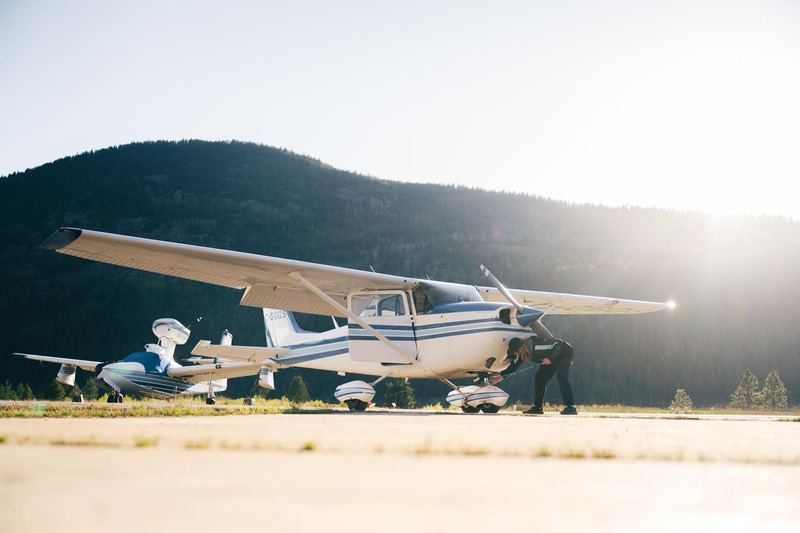
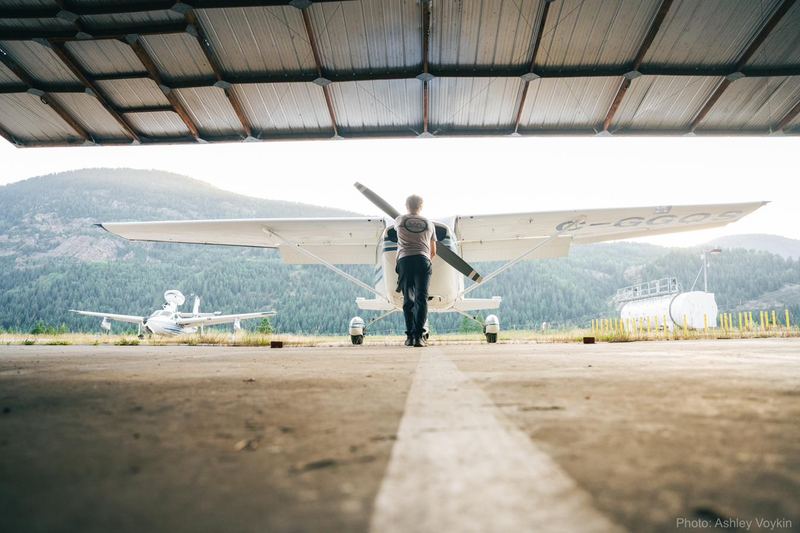
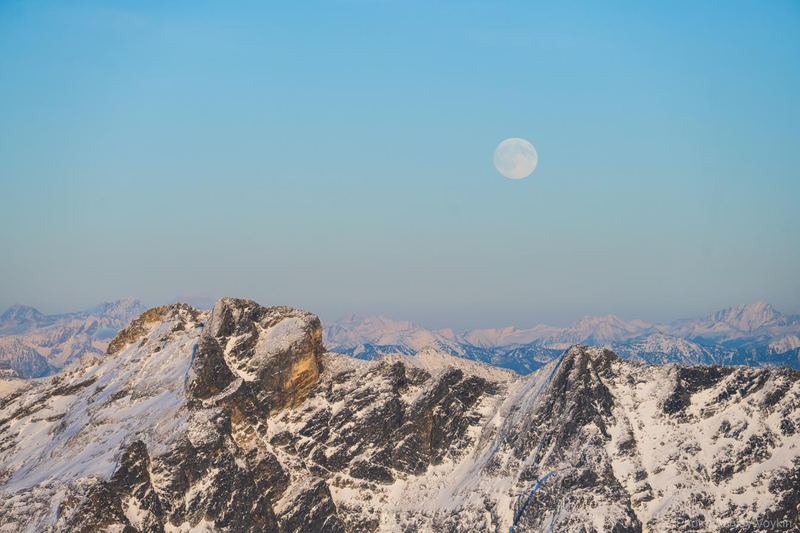
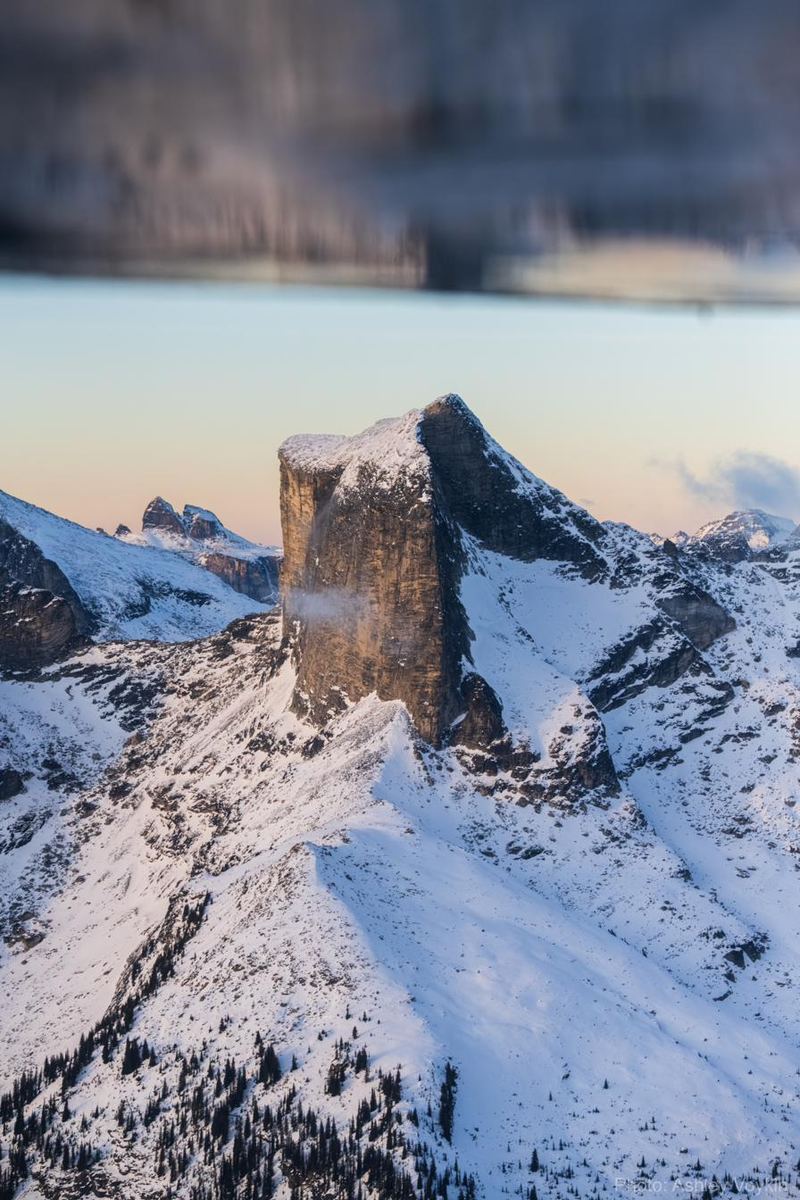
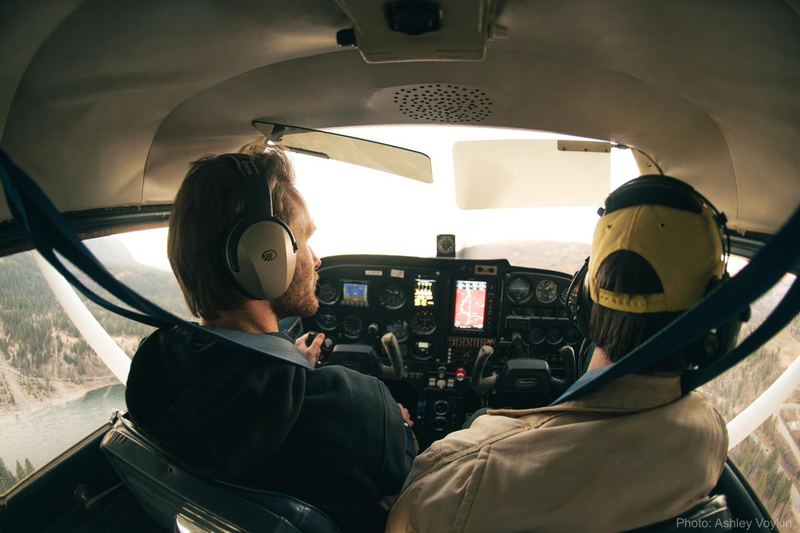
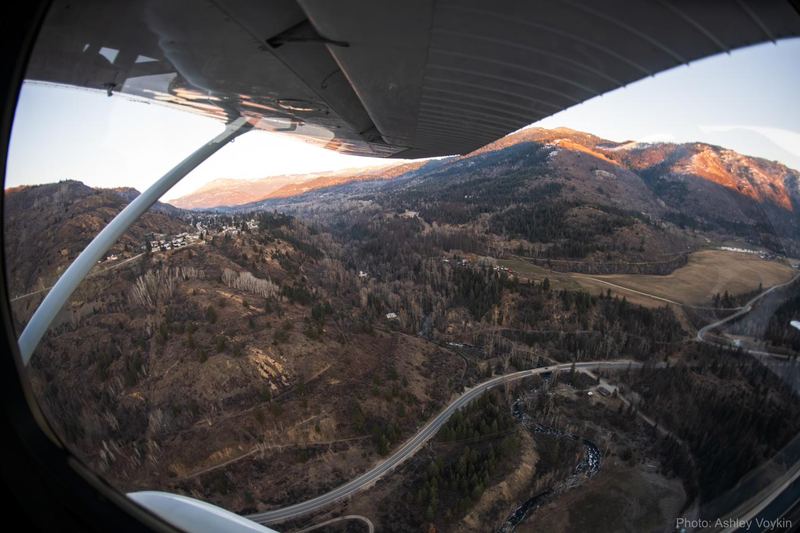
Aerial and aircraft photography from C-GGQS and the apron at CAD4. All photographs by Ashley Voykin, used with permission.
 On the Ground
 On the Ground
 On the Ground
 On the Ground
 In the Air
 On the Ground
 On the Ground
 On the Ground
 In the Air
 On the Ground
 On the Ground
 In the Air
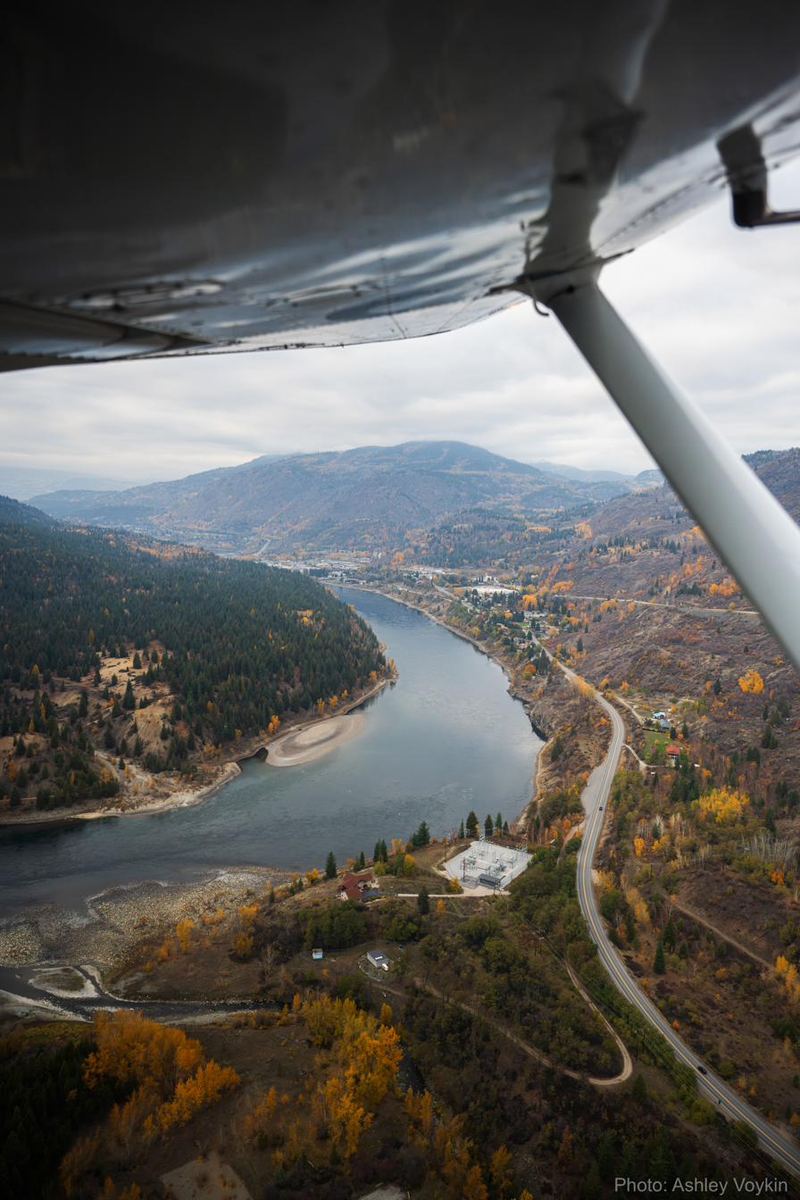 In the Air
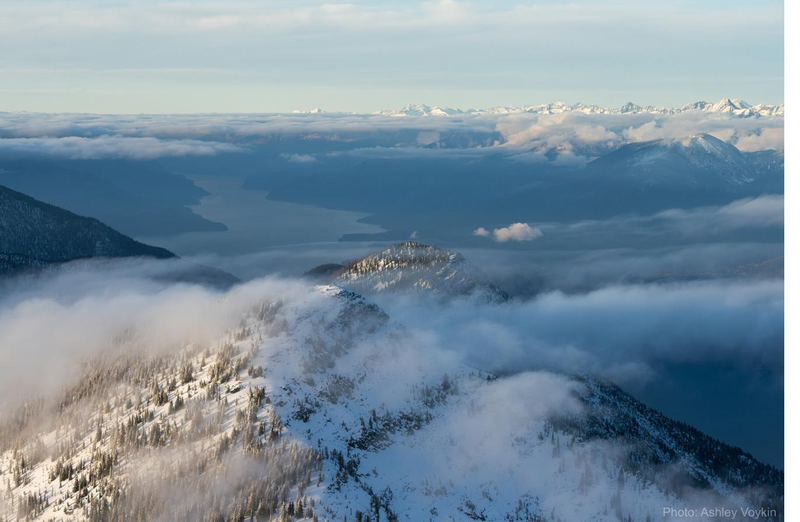 In the Air
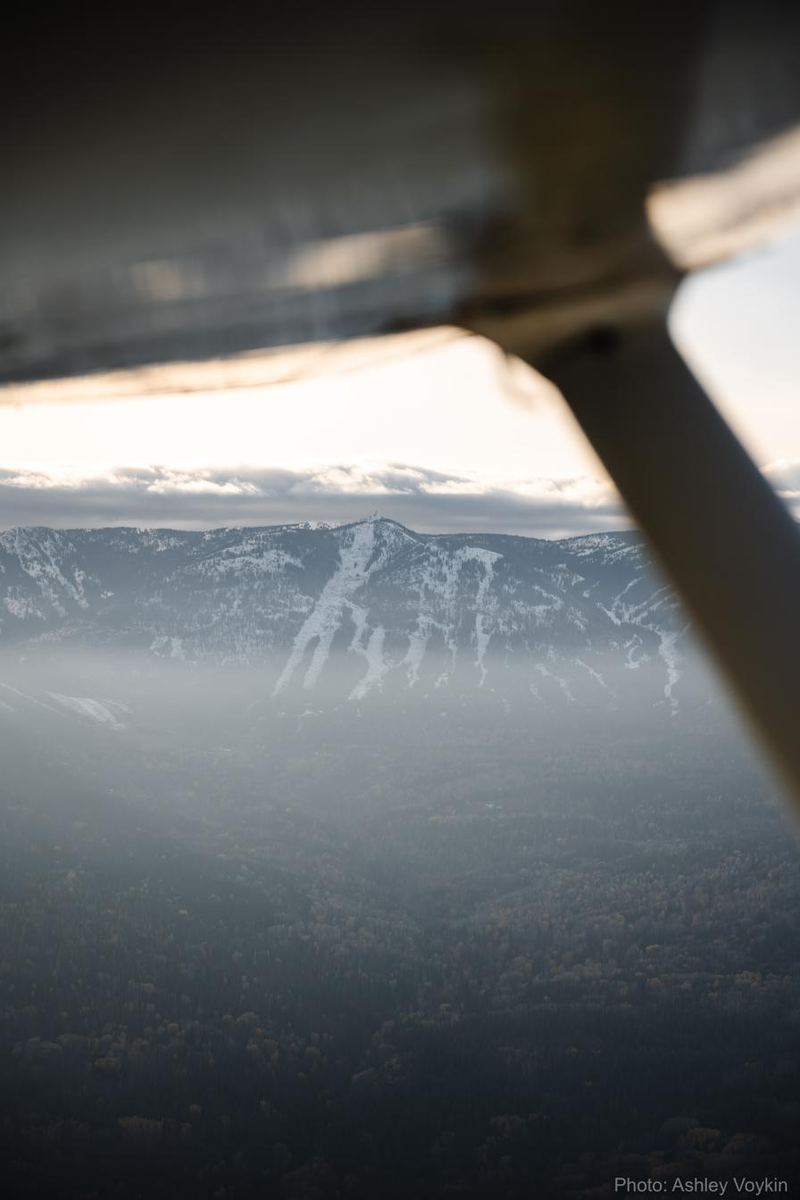 In the Air
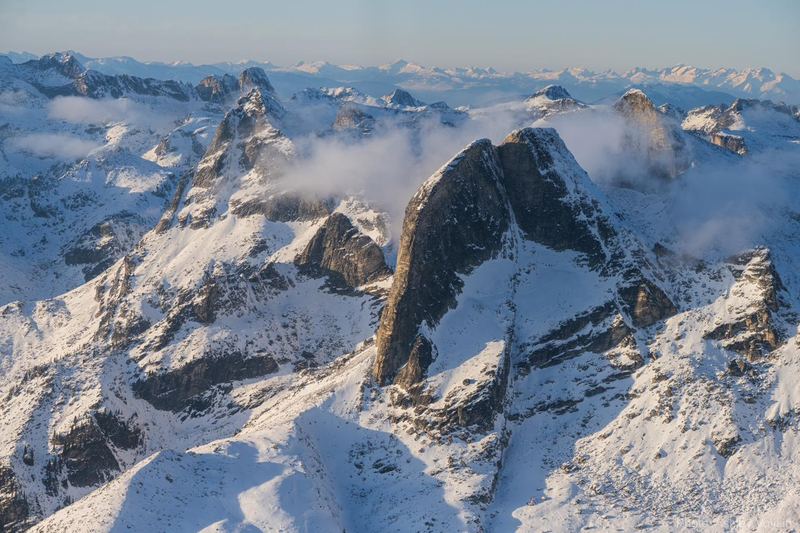 In the Air
 In the Air
 In the Air
 In the Air
 In the Air
 In the Air
 In the Air
 On the Ground
 On the Ground
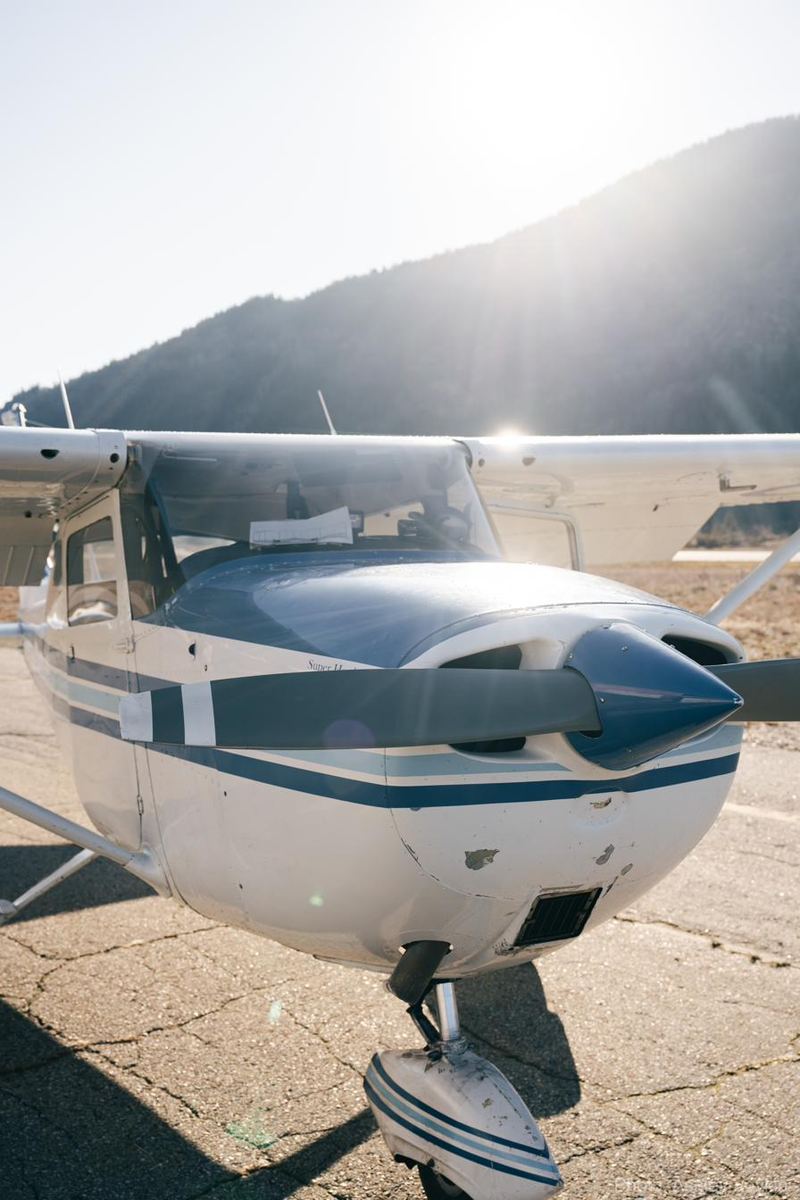 On the Ground
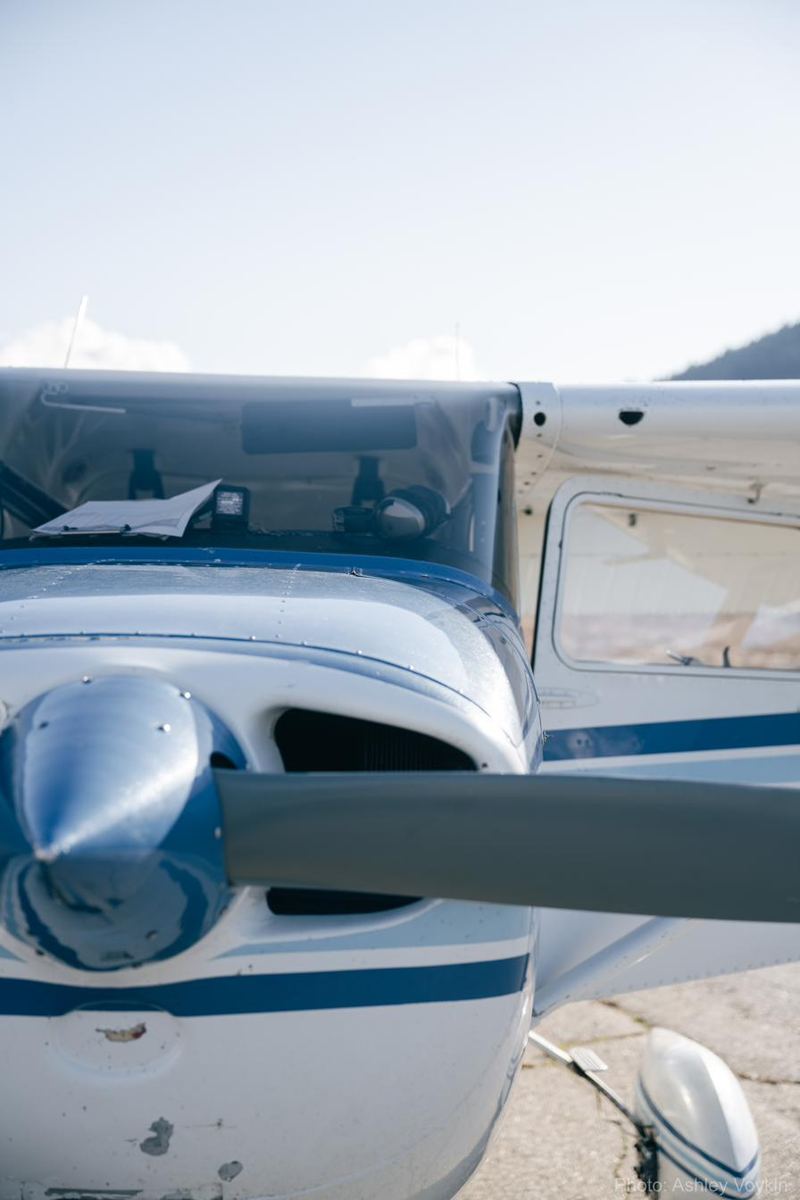 On the Ground
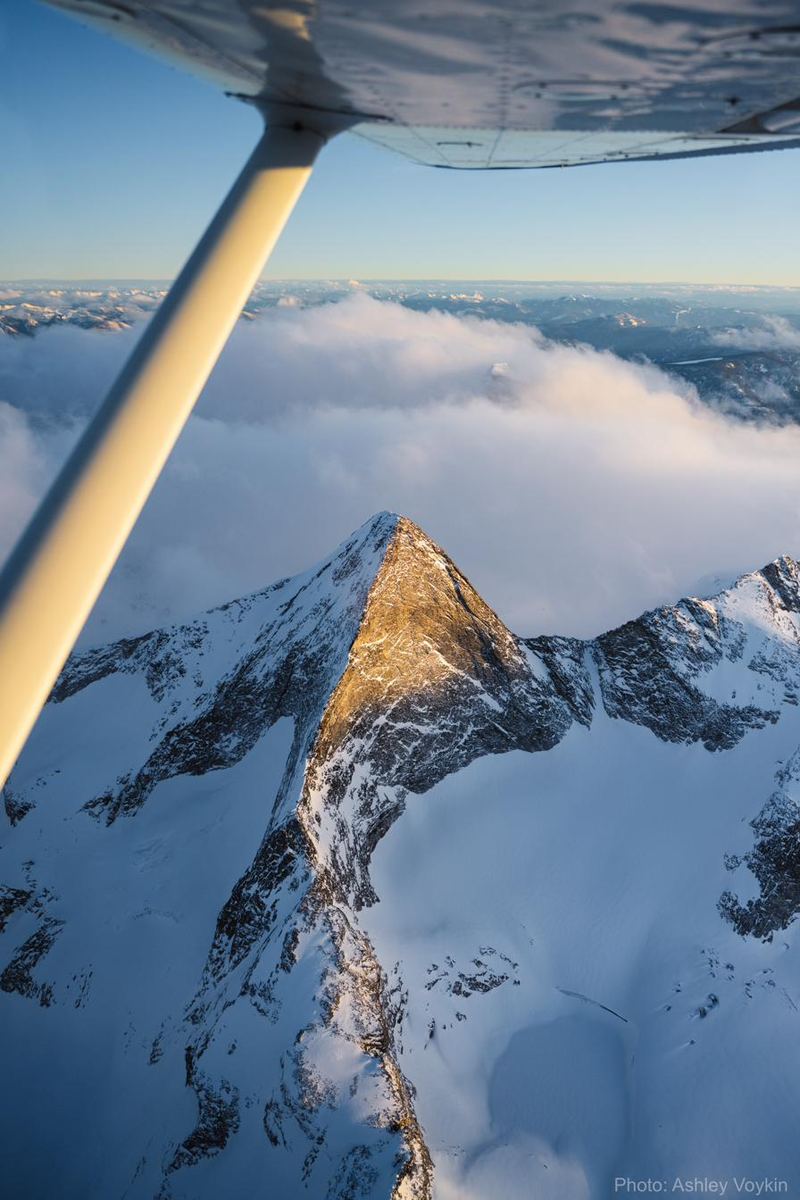 In the Air
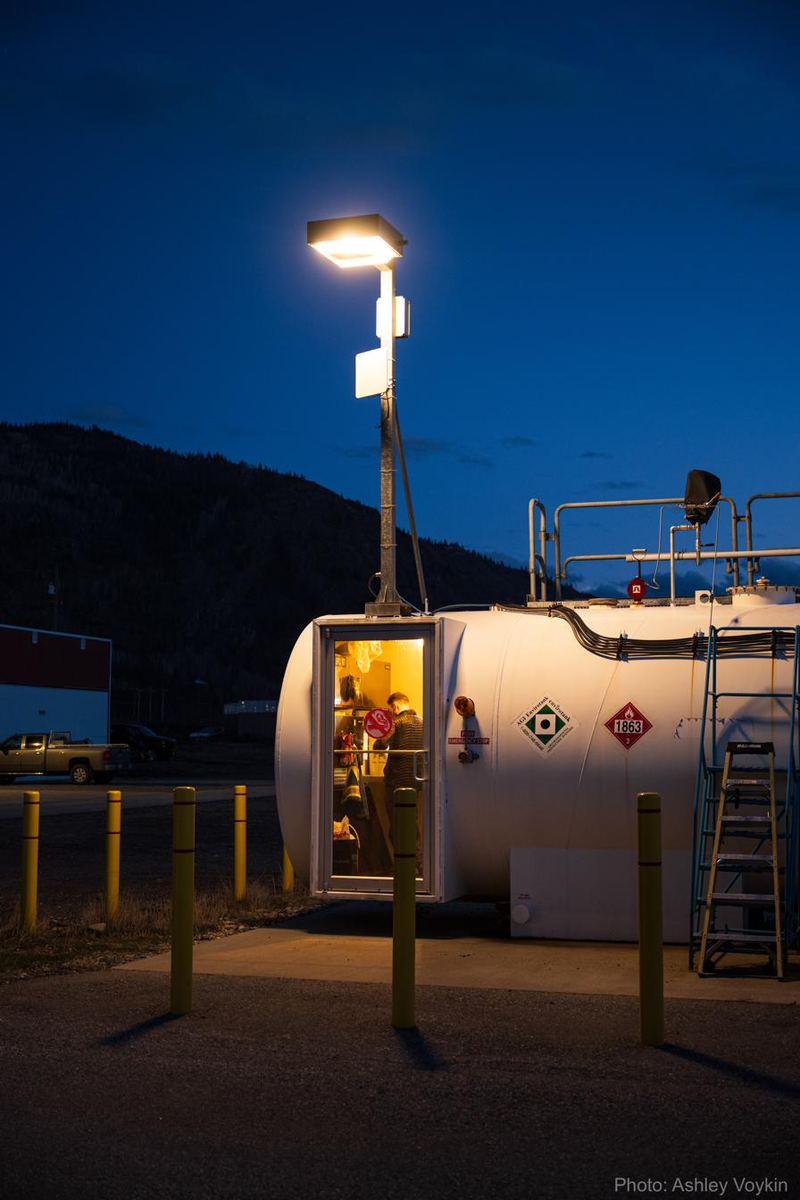 On the Ground
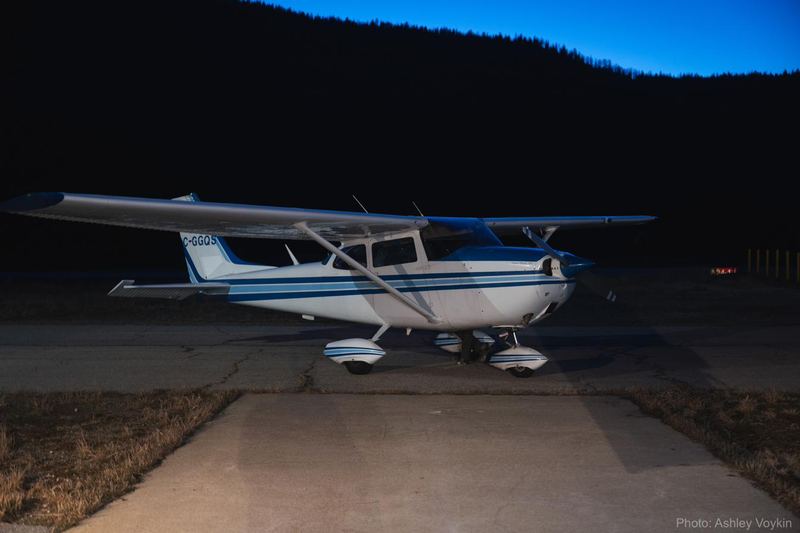 On the Ground
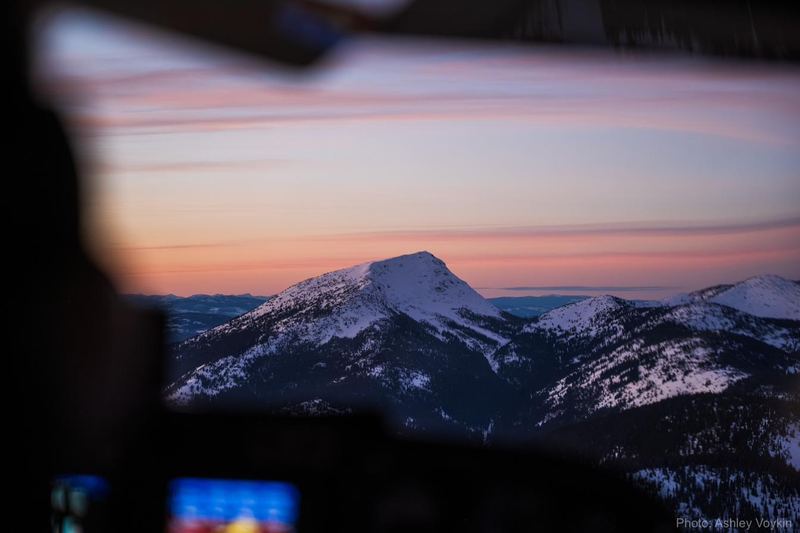 In the Air
All photographs © Ashley Voykin. Used with permission.
See more of Ashley's work at ashleyvoykin.com or on Instagram at @ashvoykin.
Becoming a member.
Membership is open to anyone with a genuine interest in aviation. You don't need to be a pilot, you don't need to own an aircraft, and you don't need to live in Trail.
Simple and affordable.
- Voting member of COPA Flight 213
- Access to the clubhouse and hangar
- Invitations to all club events and fly-outs
- Monthly meeting attendance & voice at the AGM
- Eligibility to qualify as a renter of C-GGQS
- Network with the regional aviation community
Four steps to wings.
- i.
Reach out by email
Send us a note at trailflyingclub@gmail.com and we'll arrange a time to meet.
- ii.
Fill in the form
One-page application. We can email it to you.
- iii.
Pay your dues
$75 annual membership plus a one-time $50 initiation fee. By e-transfer.
- iv.
Welcome aboard
You'll get the door code — which gets you into both the clubhouse and the hangar — an introduction to the executive, and an invite to the next event.
Already a pilot? Here's the plan.
Members in good standing may qualify to rent C-GGQS. A check-out flight with one of our designated members is required, along with current Transport Canada documents and insurance acknowledgement.
Membership application.
Fill in the form below to apply for membership in the Trail Flying Club. We'll review your application and reach out within a week.
Membership Application
Applicant Contact Information
Pilot Information
Acknowledgement
Meetings, fly-ins, and breakfasts.
From our monthly gathering at the clubhouse to summer fly-ins and the much-loved Pancake Breakfast, here's what's coming up on the calendar.
The Club Meeting
Upcoming events.
A working calendar, updated regularly. Members get an email a week before each event.
Fall Colours Fly-In Breakfast
Open to the aviation community and the public alike. Fly-in or drive-in welcome. The Selkirks and Monashees at their most photogenic. Exact date to be confirmed.
Annual General Meeting
Election of executive, budget review, and the year ahead. Annual membership dues renewable at the AGM. Save the date.
Calendar is provisional — dates confirmed by the executive prior to each event.
Everything you need to fly into Trail.
Weather, frequencies, charts, and the local knowledge that makes a flight to CAD4 easier. Bookmark this page for the next time you're heading our way.
On the radio.
CAD4 is uncontrolled. Listen, broadcast intentions, and exercise good airmanship — the usual.
Frequencies shown are placeholders — confirm against current CFS / VFR Charts before flight.
Useful resources.
External sites we use ourselves. We keep this list short and current.
Current CAD4 AWOS Weather
Live automated weather observation from Trail Regional Airport. Wind, visibility, ceiling, altimeter.
OpenTrail Airport Live Web Cams
Live camera views of the field and apron at Trail Regional Airport. Check conditions before you fly.
OpenSkyVector · CAD4
VFR charts, fuel info, runway data, and planning tools for Trail Regional Airport.
OpenTrail Regional Airport · Official
The City of Trail's airport page. Operations, contacts, and any active notices.
OpenCOPA · National
The Canadian Owners and Pilots Association. Advocacy, insurance, events, and the Flight Deck magazine.
OpenInstagram · @trailflyingclub
Recent photos from the cockpit, events at the field, and what we've been up to lately.
OpenVisiting CAD4.
A few things worth knowing before your first arrival.
Trail sits at the bottom of a deep river valley, with rising terrain in all quadrants. The approach is straightforward in good weather but unforgiving if the ceiling drops — plan your descent early, mind the surrounding ridges, and don't expect a hospitable diversion option in low-vis conditions.
Fuel availability and after-hours arrivals should be coordinated with the City of Trail Airport directly. Transient parking is generally available — give us a call ahead if you'd like to drop in to the clubhouse during your visit.
Find us at the field.
The clubhouse is at Trail Regional Airport, off Highway 22A. Drop by, send a note, or come to a meeting.